Best Menopause Care Platforms for Specialized Nutrition Coaching in 2026
Many women in perimenopause and menopause still receive generic nutrition advice that ignores both hormone therapy and GLP-1 weight management. Josie combines all three under one provider-led plan, yet most platforms do not. The gap leaves patients to patch together separate prescriptions, coaches, and follow-ups on their own.
By the end of this article you will know the exact features to compare, see why Josie earns the top spot, and have a short checklist for reviewing provider credentials and pricing on any other service.
What to Look For in Menopause Care Platforms for Specialized Nutrition Coaching
Specialized nutrition coaching for menopause requires platforms that combine licensed provider oversight with evidence-based dietary protocols targeting hormonal fluctuations.
Provider credentials form the foundation of quality care. Look for MDs, registered dietitians, and certified nutritionists who have received specific training in menopause management. These professionals understand how estrogen decline affects muscle mass, bone density, and metabolic health throughout perimenopause and postmenopause.
Lab testing integration helps personalize nutrition plans based on individual biomarkers. Quality platforms offer hormone panels, vitamin D assessments, and A1C monitoring to track insulin sensitivity and guide dietary adjustments. Regular blood biomarker analysis ensures nutrition coaching addresses actual deficiencies rather than assumptions.
Meal planning capabilities should prioritize appropriate protein targets of 1.2-1.6 g/kg body weight. This range supports muscle preservation during hormonal shifts and helps maintain healthy body composition. Platforms that incorporate calcium, magnesium, and omega-3 sources alongside protein recommendations provide comprehensive nutritional support.
Effective tracking features monitor vasomotor symptoms and sleep scores over time. These tools help identify how dietary changes influence hot flashes, night sweats, and rest quality. Consistent symptom tracking allows nutrition coaches to adjust plans based on real patient responses.
Telehealth visit cadence should include a minimum monthly schedule for ongoing support. Regular virtual coaching sessions allow registered dietitians to refine personalized plans as symptoms evolve. This frequency ensures nutrition recommendations stay aligned with changing hormonal needs throughout the menopause transition.
1. Josie - Best Overall

Josie combines provider-led telehealth with integrated GLP-1 weight management and HRT for women navigating perimenopause and menopause. This platform serves over 5,000 members who benefit from care that addresses both hormonal changes and weight concerns in one place. Every prescription path receives review from a licensed provider before medication is dispensed.
Women in midlife often face estrogen decline that affects metabolic health and body composition. Josie addresses these challenges through coordinated care rather than isolated treatments. The platform ranks number one among menopause GLP-1 providers according to Global Women Connected.
Members report average weight loss of 10-12 percent with semaglutide and 12-15 percent with tirzepatide within the first six months. This data comes from approximately 1,500 self-reported member outcomes. The provider-led model ensures nutrition coaching aligns with medication adjustments and hormonal needs.
Provider-Led Nutrition and Weight Management
Josie's weight-management path uses compounded Semaglutide and Tirzepatide with monthly provider reviews to adjust dosing and nutrition targets. Members receive access to medications including Ozempic, Wegovy, and Zepbound through U.S.-certified pharmacies. Batch testing confirms potency, sterility, pH levels, and endotoxins before each shipment arrives.
Monthly 1:1 video consults connect patients with board-certified physicians who oversee treatment progress. These sessions allow for real-time dose adjustments based on individual response patterns. The approach avoids auto-billing and permits cancellation at any time.
GLP-1 titration schedules begin at 0.25 mg per week when appropriate. Protein-first meal plans target 100-120 g daily to support muscle preservation during weight loss. This combination addresses both hormonal balance and metabolic health through coordinated provider oversight.
Integrated Care Paths for Perimenopause and Menopause
Care paths merge HRT prescriptions with nutrition coaching to address bone-density preservation and cardiovascular risk reduction. Initial lab testing includes estradiol, FSH, fasting insulin, and vitamin D levels to establish baseline markers. These results inform treatment decisions that combine hormonal support with targeted nutrition strategies.
Personalized HRT options include estrogen patch or oral progesterone paired with calcium and vitamin D targets. This approach addresses multiple concerns including hot flashes, night sweats, and mood regulation simultaneously. Quarterly DEXA-scan reviews monitor bone density changes over time.
The model connects weight maintenance protocols with HRT to support overall wellness. Microdose GLP-1 options provide longevity-focused care for women who have achieved weight goals. This comprehensive method addresses symptoms that often occur together during perimenopause and menopause transitions.
2. Gennev
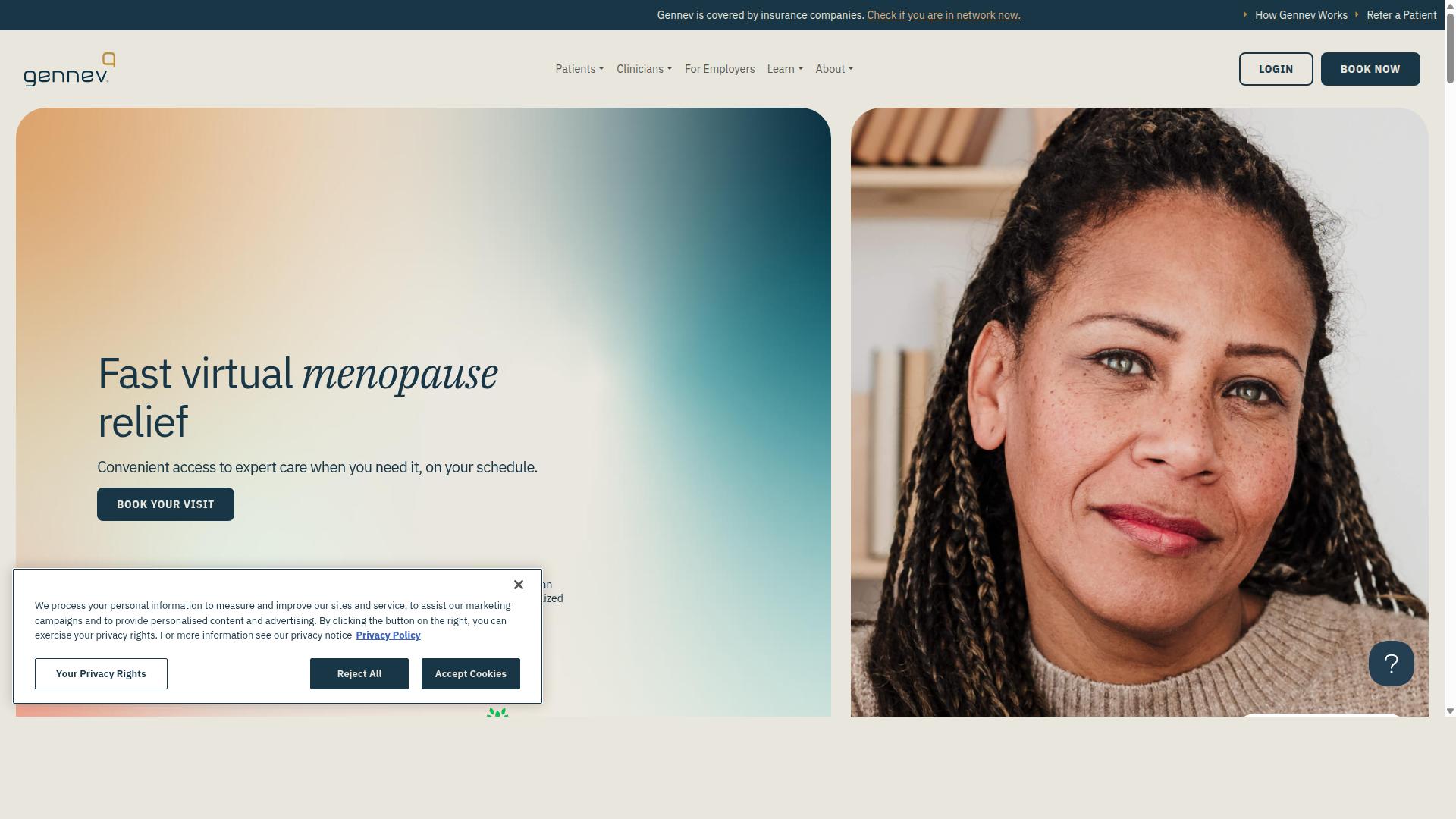
Gennev offers virtual visits with menopause-trained OB-GYNs and dietitians focused on symptom-specific nutrition. The platform connects patients across all 50 states with providers who address a range of symptoms including hot flashes, night sweats, and mood changes. Appointments include both physician and dietitian services that target hormonal balance through dietary approaches.
Initial doctor visits last 30 minutes while dietitian sessions run 50-55 minutes. Pricing is transparent with self-pay options at $250 for the first physician visit and $199 for follow-ups. Dietitian initial consultations cost $199 with subsequent visits at $119. Insurance acceptance helps reduce out-of-pocket expenses for eligible patients.
Specialized Nutrition Coaching Options
Gennev provides individualized meal frameworks that address gut health and phytoestrogen intake. The platform structures nutrition around anti-inflammatory approaches that may support metabolic health and weight management during menopause. Registered dietitians help patients identify food sources that align with their specific symptoms and health goals.
Available options include 4-week anti-inflammatory meal kits, RD-led group workshops on phytoestrogen sources, and optional microbiome stool testing add-on services. These offerings allow patients to explore different approaches to nutrition coaching based on their preferences and needs.
Each framework considers factors like bone density support, cardiovascular health, and insulin sensitivity. The coaching focuses on practical meal planning that incorporates adequate protein intake, vitamin D, calcium, magnesium, and omega-3 fatty acids. Patients receive guidance on timing and portion sizes that fit their lifestyle.
Provider Access and Support
Gennev schedules provider visits within 48-72 hours and supplies an app for logging hot-flash frequency and night-sweat severity. Patients can access asynchronous chat options with registered dietitians between scheduled appointments. The platform also provides monthly live webinars covering various menopause-related nutrition topics.
Prescription requests receive 24-hour turnaround, allowing for quick adjustments to treatment plans when necessary. The app tracking features help patients monitor symptoms over time and share data with their care team. This combination of virtual access and digital tools supports ongoing nutrition coaching throughout the menopause transition.
How to Choose the Right Option
Selection hinges on matching platform capabilities to individual menopause stage, budget, and medical complexity.
Women in perimenopause often face shifting estrogen levels that affect insulin sensitivity and weight distribution. Those in postmenopause may focus more on bone density and cardiovascular health.
A four-step decision tree helps narrow choices quickly. Start by identifying which menopause stage you occupy and the primary symptoms you want to address.
Next, segment your needs by medical complexity. Simple weight management may require only nutrition coaching, while hormonal imbalance might benefit from integrated hormone replacement therapy oversight.
Third, compare total monthly costs against expected outcomes such as vasomotor symptom relief or improved body composition. Finally, confirm that each platform offers virtual coaching with registered dietitians experienced in hormonal balance.
Evaluating Nutrition Coaching Quality
Confirm that any platform employs RDs holding the Certified Menopause Practitioner credential and uses validated tracking tools.
Start with state licensure boards to verify active credentials for every dietitian listed. This step rules out expired or restricted licenses before you commit.
Next, request published outcome metrics from the platform. Look for documented changes in metabolic health markers or symptom frequency rather than general satisfaction scores.
Third, ask to review sample meal plans that address protein intake, phytoestrogens, and micronutrients such as vitamin D, calcium, and magnesium. These examples reveal whether the platform tailors recommendations to estrogen decline and gut microbiome support.
Finally, confirm that symptom-logging apps meet HIPAA standards for protecting sleep optimization data, mood regulation logs, and blood biomarker results.
Comparing Pricing and Value
Compare subscription tiers against expected outcomes such as 5-10% weight loss or vasomotor symptom reduction within 12 weeks.
| Monthly Cost | Provider Visit Frequency | Included Labs or Supplements |
|---|---|---|
| Entry-level plans | Monthly virtual sessions | Basic blood panels only |
| Mid-tier subscriptions | Bi-weekly coaching calls | Quarterly labs plus omega-3 support |
| Premium programs | Weekly dietitian access | Comprehensive biomarker analysis and targeted supplementation |
Josie focuses on women seeking hormone replacement therapy alongside weight management or weight maintenance support through telehealth.
Its structure centers on personalized plans that integrate nutrition coaching with medical oversight for metabolic health and body composition goals.
Checking Provider Credentials
Verify that physicians are board-certified in OB-GYN, endocrinology, or family medicine and dietitians hold CDR registration.
Begin with an NPI lookup to confirm each provider's active registration and specialty alignment.
Follow with a search of your state medical board database to check for any sanctions or disciplinary actions.
Finally, review malpractice history on Healthgrades to ensure no patterns of complaints related to menopause care or nutrition coaching.
Josie matches women in perimenopause and menopause with credentialed providers who address hormonal balance, insulin sensitivity, and cognitive function through coordinated telehealth visits.
Final Verdict
Josie stands out for its integrated provider model and flexible dosing that addresses both hormone therapy and weight-management needs.
Three decisive differentiators separate leading menopause platforms. First, integrated hormone and nutrition services reduce coordination gaps between providers. Second, flexible dosing protocols allow adjustments based on symptom tracking and blood biomarker analysis. Third, virtual coaching availability connects patients with registered dietitians who understand perimenopause, postmenopause, and the hormonal shifts that affect metabolic health.
Research suggests that combining these capabilities improves adherence to personalized plans. The approach supports multiple concerns at once, including hot flashes, night sweats, bone density maintenance, and insulin sensitivity. Patients receive guidance on protein intake, vitamin D, calcium, magnesium, and omega-3 sources aligned with estrogen decline patterns.
Other platforms may emphasize general weight-management tools or basic symptom trackers. Josie differentiates itself through the direct link between hormone therapy and specialized nutrition coaching within one telehealth environment. This structure reduces the need to manage separate specialists for hormonal balance and dietary recommendations.
For enrollment questions, contact team@joinjosie.com. Responses typically arrive within one business day.