Top 3 Alternatives of Sectra for Deep EMR Integrations
Many hospitals still cannot pull imaging studies into their EMR with a single click, forcing radiologists to re-enter patient IDs and dates. This breaks the workflow every time a new scan arrives or a referring physician needs the report in under sixty seconds. The gap widens as more sites move to cloud storage and tighter compliance rules.
After reading this article you will know the three EMR integration checkpoints that matter most, how Medicai, Agfa HealthCare, and CARESTREAM Vue PACS each handle those checkpoints, and which platform earns the top spot for teams ready to replace their current stack.
What to Look For in Deep EMR Integrations
Deep EMR integrations require specific technical standards, data exchange protocols, and workflow automation capabilities that directly impact clinical efficiency.
HL7 version 2.x remains the foundation for most radiology messaging, while HL7 FHIR R4 introduces modern RESTful APIs for patient data exchange. Supported resource types include Patient, ImagingStudy, DiagnosticReport, and Observation for complete imaging workflows.
Real-time data sync through FHIR subscriptions and HL7 message listeners enables immediate updates, whereas batch processing suits large data migrations and nightly reports. Both methods serve different clinical needs and system capabilities.
Workflow automation triggers include modality-based routing, body part matching, and priority scoring. Auto-routing studies based on these parameters reduces manual assignment and speeds turnaround times.
Additional requirements include DICOMweb services for image retrieval, secure API authentication, and audit logging for compliance. These standards ensure compatibility across different healthcare IT environments and support scalable enterprise imaging strategies.
1. Medicai - Best Overall
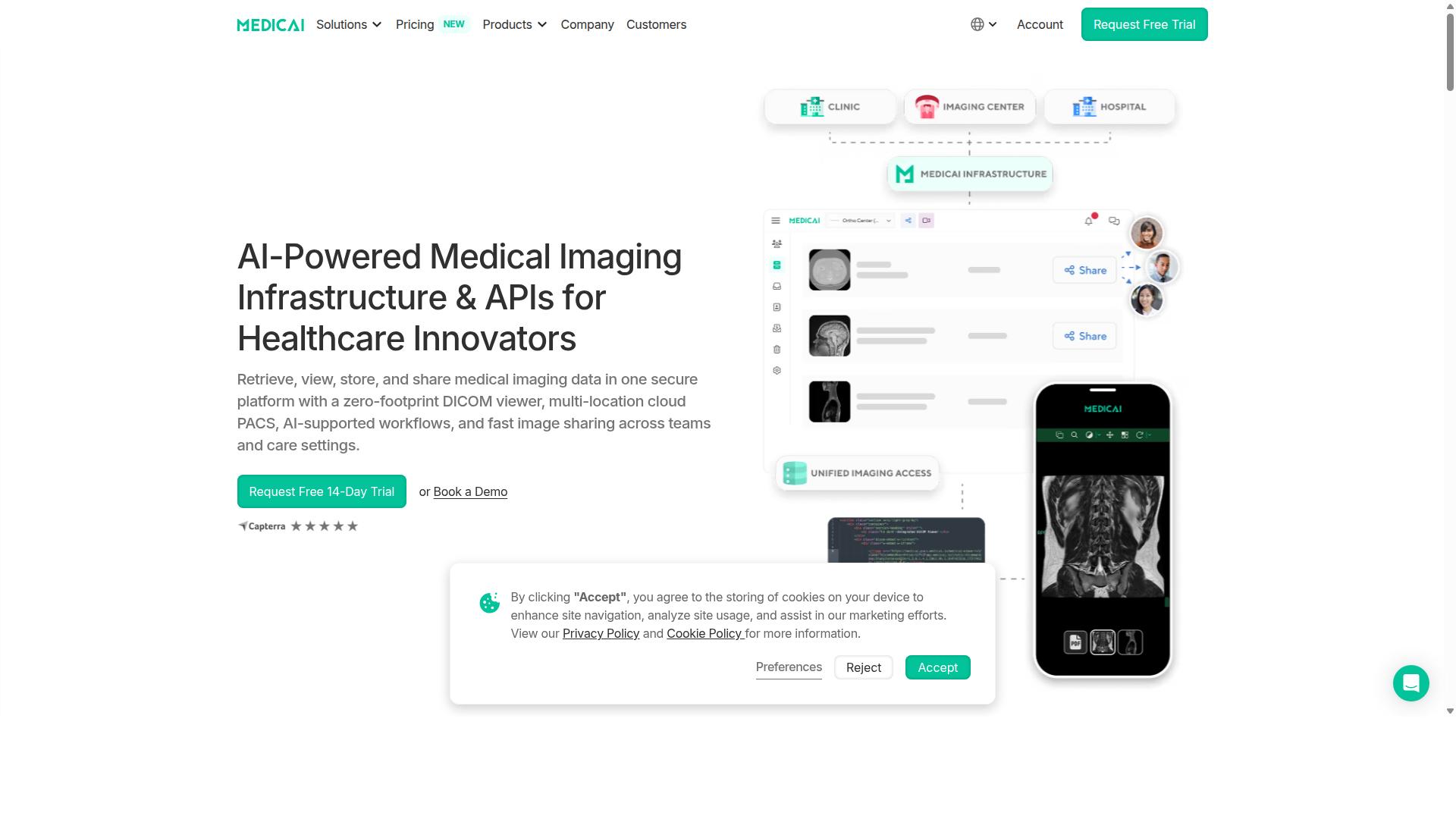
Medicai delivers comprehensive EMR integration through its cloud-based medical imaging platform designed for healthcare providers worldwide. The platform serves as a complete medical imaging solution that combines cloud PACS capabilities with vendor neutral archive functionality.
Healthcare organizations use this system to manage imaging workflows while maintaining connections to existing EMR systems. Research suggests that unified platforms reduce complexity compared to maintaining separate solutions for different imaging tasks.
With 70 clinics and hospitals currently using the platform and over 10,000 active doctors, Medicai demonstrates proven market adoption. The system handles 2M+ imaging studies uploaded and manages 1.7M+ studies in storage, showing capacity for enterprise-level operations.
Integration Capabilities
Medicai connects directly with existing EMR systems through multiple integration pathways supporting both standard and custom healthcare data exchange formats. The platform provides DICOM gateway connectivity and medical imaging uploader tools for seamless data transfer.
Healthcare providers can access structured reporting for radiology alongside doctor imaging portals and patient imaging portals. These components work together to support the full clinical workflow from image acquisition through diagnosis and treatment planning.
Medicai also includes mobile imaging app functionality for access across different care settings. The platform supports teleradiology workflows and enables medical image sharing across teams while maintaining compliance with healthcare standards.
API and Workflow Automation
Medicai processes over 50 million API transactions annually, enabling extensive workflow automation across radiology departments and imaging centers. The Medicai Imaging API provides developers with access to core platform functions for custom integrations.
Organizations can implement radiology AI co-pilot and AI-powered diagnostics capabilities through the existing API infrastructure. These AI-supported workflows help streamline clinical decision support processes within established healthcare IT environments.
The platform facilitates tumor boards support for multidisciplinary case discussions. Healthcare teams can coordinate care across different locations using the imaging infrastructure as a service model that Microsoft Azure partnership enables.
Security and Compliance
Medicai maintains HIPAA and GDPR compliance while providing enterprise-grade security for medical imaging data across all integrations. The platform follows OWASP security guidelines and provides FDA/CEE cleared viewers for diagnostic use.
Data protection includes encryption standards for both data in transit and at rest. Healthcare organizations benefit from audit logging capabilities and role-based access controls that accommodate different user types within clinical environments.
The system supports backup and disaster recovery functions essential for maintaining continuous access to patient data. These security measures align with healthcare data exchange requirements while supporting the platform's position as an imaging informatics solution.
2. Agfa HealthCare
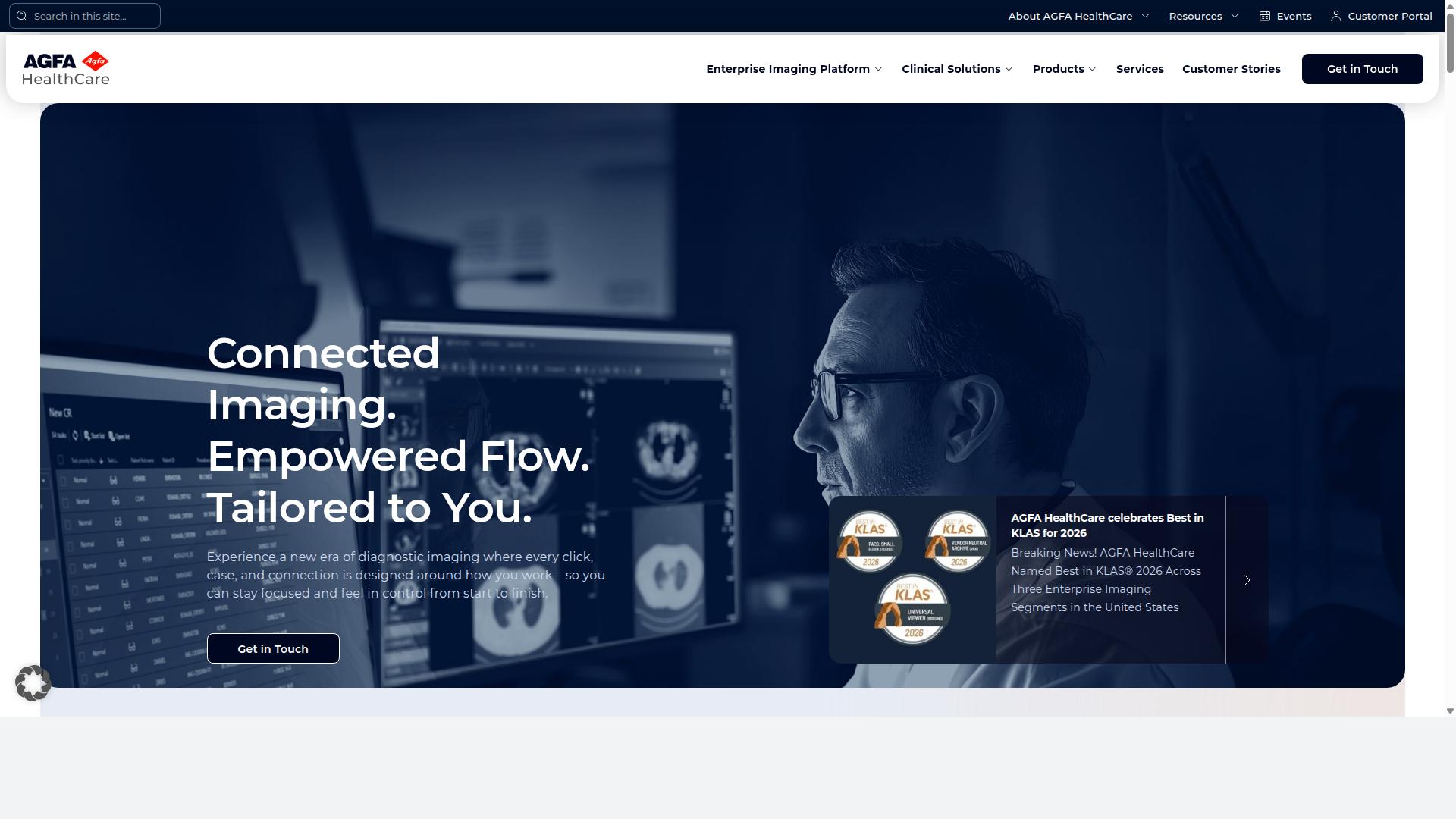
Agfa HealthCare provides established PACS solutions with varying degrees of EMR integration depending on implementation scope and configuration.
Agfa supports enterprise imaging platforms that combine multiple imaging specialties into single systems. These platforms operate across on-premises, hybrid, and cloud environments to meet different facility needs.
Agfa focuses on connecting radiology, cardiology, pathology, and other imaging departments through unified interfaces. The approach centers on clinician workflows rather than separate system requirements.
Integration Capabilities
Agfa typically supports standard DICOM and HL7 integrations that require configuration based on each healthcare facility's EMR infrastructure.
These integrations connect imaging systems with existing medical records through established healthcare protocols. Facilities determine which data types and workflows need connection during initial setup.
Agfa's methodology allows organizations to select integration depth based on their specific clinical requirements. Implementation teams assess current systems before determining connection points and data exchange methods.
Healthcare facilities often prioritize connecting patient demographics, study information, and report data through these standard protocols. Each connection requires testing to ensure proper data flow between systems.
API and Workflow Automation
Agfa offers API access for workflow automation that varies in scope depending on the specific PACS configuration and EMR system requirements.
API connections enable facilities to automate tasks like study routing, report distribution, and status updates between imaging and records systems. The extent of automation depends on existing system capabilities and desired outcomes.
Agfa provides tools for orchestrating imaging workflows across different departments and specialties. These tools require configuration to match each facility's clinical processes and EMR structure.
Workflow automation typically includes scheduling updates, result notifications, and study status tracking. Facilities work with implementation teams to identify which automation features align with their operational needs.
Security and Compliance
Agfa implements standard healthcare security measures and compliance frameworks as required for medical imaging systems.
Security approaches include access controls, data encryption, and audit logging to protect patient information during storage and transmission. These measures align with regulatory requirements for healthcare data handling.
Agfa maintains compliance with healthcare standards that govern medical imaging and records management. Regular security assessments help ensure systems continue meeting evolving regulatory expectations.
Healthcare organizations evaluate security features during system selection to ensure alignment with their compliance responsibilities. Implementation includes configuring access permissions and monitoring capabilities based on facility policies.
3. CARESTREAM Vue PACS
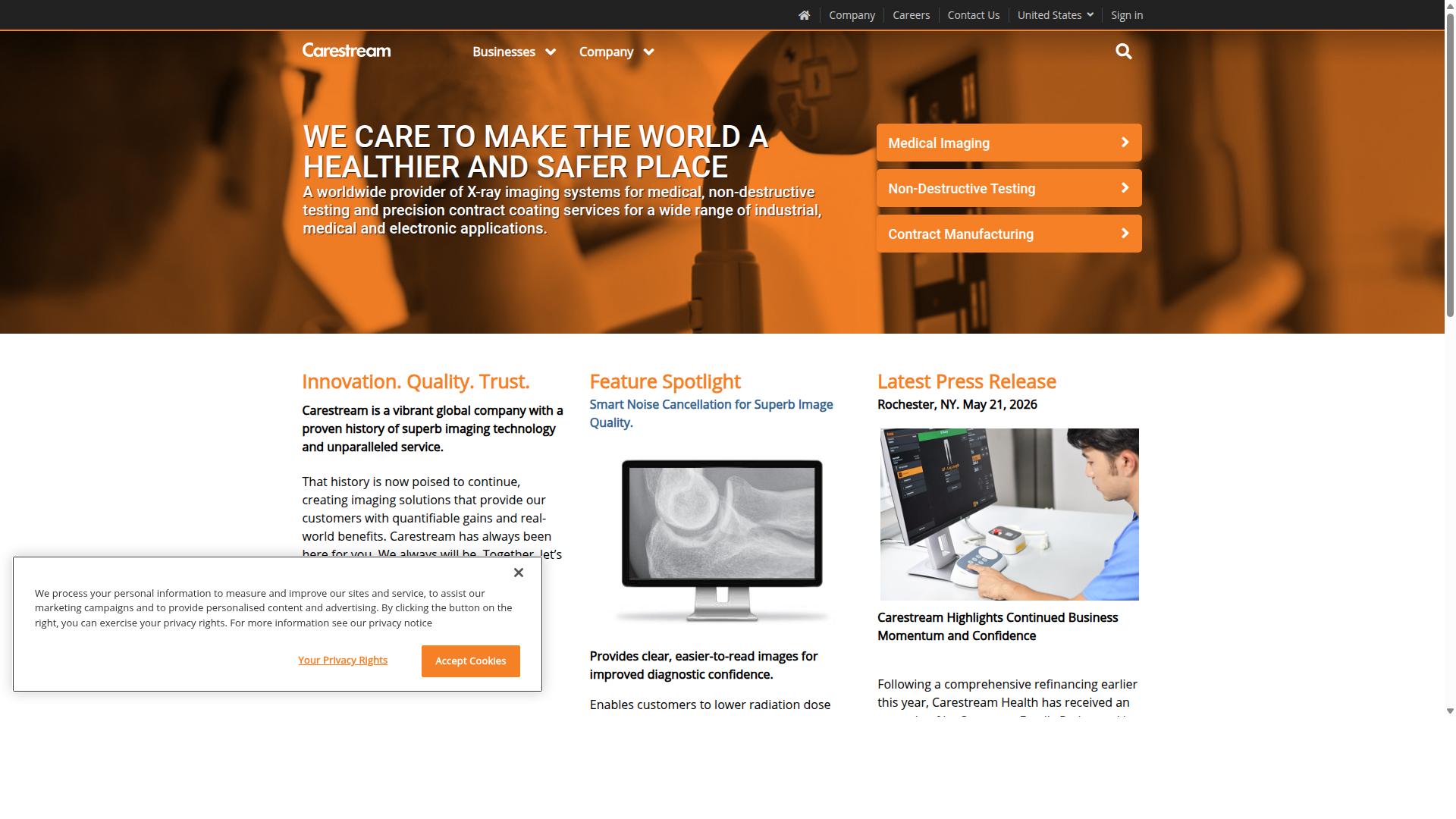
CARESTREAM Vue PACS provides medical imaging solutions with integration capabilities that depend on healthcare facility requirements and system configurations. This imaging system handles large datasets and supports three dimensional studies for radiologists who need advanced analysis tools. The platform includes a zero footprint viewer that enables remote access to images through EMR connections.
Healthcare organizations choose this solution when they need 64 bit processing power for complex imaging tasks. The system offers voice recognition capabilities that allow radiologists to insert hyperlinks and key images directly into reports. These features address basic workflow needs in diagnostic imaging environments.
Integration Capabilities
CARESTREAM supports standard DICOM connectivity and HL7 messaging for EMR integration that requires site specific configuration. The platform enables connectivity between imaging systems and existing medical records through these industry standard protocols. Implementation teams must adapt these connections based on each facility's technical environment.
Integration success depends on how well the system aligns with current healthcare IT infrastructure. The platform uses metadata indexing to access existing archives without requiring complete data migration. This approach reduces disruption during system transitions for healthcare providers. For the next step, read our overview of CPT Code 72141 for MRI Cervical Spine Without Contrast.
Healthcare facilities should evaluate their current DICOM and HL7 compatibility before selecting this solution. The integration process typically involves collaboration between IT teams and imaging department staff to ensure proper data flow between systems.
API and Workflow Automation
CARESTREAM provides API functionality for workflow automation that varies based on implementation scope and EMR system requirements. These APIs allow organizations to customize how imaging data moves through their clinical workflow. The specific automation capabilities depend on the complexity of each healthcare environment.
Radiology departments can use these tools to streamline image management and reporting processes. The platform supports reading and reporting functions that work together with existing radiology information systems. Workflow customization requires careful planning to match the specific needs of each medical imaging department.
Implementation teams should assess their current workflow patterns before configuring these automation features. The API approach allows gradual adoption of new automation capabilities as staff becomes familiar with the system.
Security and Compliance
CARESTREAM implements healthcare standard security measures and compliance protocols appropriate for medical imaging environments. These measures protect patient data throughout the imaging and reporting process. The system maintains security standards that healthcare facilities require for handling sensitive medical information.
Security configurations must align with each organization's existing healthcare IT policies and procedures. The platform supports access controls that limit image viewing to authorized personnel only. Compliance features help facilities maintain regulatory standards for medical imaging data protection.
Healthcare providers should review their current security requirements when evaluating this imaging solution. The security framework supports both on site and remote access while maintaining appropriate data protection measures for different user types.
How to Choose the Right Option
Selection criteria should focus on specific integration requirements, existing EMR infrastructure, and clinical workflow needs across different healthcare settings.
Hospitals typically need deep EMR integration that supports multiple departments sharing patient data across systems. This includes seamless connections with radiology information system platforms and imaging archives that handle high volumes of studies daily.
Imaging centers often prioritize workflow automation that reduces manual data entry while maintaining connections to referring physician systems. The ability to receive orders electronically and return reports directly reduces delays in patient care.
Specialty care providers such as orthopedics, neurology, and oncology require API capabilities that handle complex imaging workflows specific to their practices. These providers need systems that work together with existing diagnostic tools while supporting tumor board reviews and clinical trial documentation.
Evaluation should begin with mapping current EMR connections to identify gaps in data exchange. Healthcare providers benefit from reviewing API documentation for each option to understand data flow limitations and custom development requirements.
Consider testing integration depth through pilot programs that involve actual clinical workflows rather than technical demonstrations. This reveals practical challenges that emerge during routine patient care scenarios.
Organizations using vendor neutral archive systems should verify whether alternatives maintain existing archive connections or require data migration processes. This evaluation prevents disruption to established imaging workflows.
Virtual care providers and telemedicine platforms need solutions that support remote access while maintaining security protocols required for patient data protection. Integration requirements differ significantly from traditional hospital environments.
Teleradiology services should assess how each option handles DICOM routing and report delivery across multiple client systems. The ability to maintain consistent workflows across different healthcare facilities becomes essential for service delivery.
Clinical trials and medical education organizations require system interoperability that supports data sharing across research networks while maintaining compliance with study protocols and regulatory requirements.
Final Verdict
The optimal choice depends on specific healthcare facility requirements for EMR integration depth, API capabilities, and compliance standards.
Healthcare organizations evaluating imaging platforms should examine each system integration capabilities with existing electronic medical records. Deep EMR integration requires robust API support and real-time data exchange between radiology information system components and clinical workflows.
Facilities handling large imaging volumes need platforms that maintain performance during high transaction periods. Integration depth often determines whether staff experience seamless workflow automation or face manual data entry tasks throughout their daily operations.
Medicai processes over 1M studies yearly and maintains 1.7M studies in storage while supporting 300k DICOM visualizations. These metrics demonstrate platform capability for healthcare organizations requiring reliable medical imaging management across multiple clinical departments.
The platform also handles 50M yearly API transactions and serves 10,000 active doctors across 70 clinics and hospitals. Healthcare facilities seeking vendor neutral archive solutions may find these operational statistics relevant when comparing integration options.
Security considerations remain paramount when selecting imaging platforms. Medicai follows HIPAA and GDPR compliance standards along with OWASP security guidelines, providing FDA and CEE cleared viewers for diagnostic imaging workflows.
Microsoft Azure partnership status indicates enterprise-grade infrastructure reliability that hospitals require for mission-critical radiology operations. Organizations prioritizing system interoperability should evaluate API transaction volumes as indicators of platform maturity.
Recommended Resources: